
Why Hookup Sites Ask for ID Verification
Hookup sites may request identity confirmation before allowing access to profiles, messaging or paid features. Depending on the platform, this can involve a phone number, email address, government document, selfie or third-party age check. For some users, the extra step offers reassurance; for others, it exposes sensitive personal information without delivering meaningful protection.
The balance is especially relevant in Australia. App-led dating is familiar in Sydney, Melbourne, Brisbane, Perth and Adelaide, while long distances between suburbs and regional areas can make meeting someone safer and more reliable. A verification badge can support trust, but it does not prove good intentions, honest intentions or safe behaviour.
| Verification method | What it may confirm | Main advantage | Possible drawback |
|---|---|---|---|
| Email or mobile check | The account is reachable | Reduces anonymous and duplicate accounts | Creates a recoverable data trail |
| Government ID check | Age and selected identity details | Discourages impersonation and fake profiles | Stores sensitive document data |
| Selfie or liveness check | A person appears to match a photo | Makes stolen images harder to use | May capture biometric information |
| Third-party age result | A provider estimates the user is an adult | Limits document access by the platform | Privacy terms may be unclear |
Why verification is becoming standard
Verification helps platforms limit bots, recycled photographs, ban evasion and accounts created with false ages. It can also reduce chargebacks, harassment complaints and fraudulent activity. Sites that offer subscription plans may use identity checks because premium users expect a cleaner community than anonymous registration allows.
Responsible platforms should explain which document is needed, why it is necessary and when it will be deleted. They should also identify any external screening provider. If a listing makes an unclear claim about verification, readers can contact the review team before creating an account.
What identity checks can improve
A genuine identity check can narrow a significant gap between an online profile and the person behind it. Matching a driver licence, passport or state or territory identity card against a selfie can make impersonation more difficult. It cannot eliminate deception, but it raises the effort required to create a convincing false identity.
This reassurance matters when a meeting may move from messaging to a bar, club or private home. Australian dating customs often include casual pub meet-ups and BYO drinks, making clear identity and enthusiastic consent especially important. Verification should therefore be treated as one layer of safety rather than a substitute for communication, boundaries and judgement.
The privacy and security trade-off
Identity documents contain more information than a dating profile ever needs. A scan may expose a full name, birth date, address, licence number and facial features. If a platform or screening provider retains the original image, it becomes a valuable target for phishing, account takeover or misuse by an employee.
For organisations covered by Australia’s Privacy Act 1988, the Australian Privacy Principles generally require transparency, secure handling and limits on collection. An overseas-facing service may operate under different rules or store information outside Australia, so users should examine both the platform’s policy and any provider it names. A scatter symbol explanation offers a useful analogy for interfaces: what appears to be one feature may combine separate elements, each carrying different consequences.
Data minimisation remains essential. A service that only needs an adult age result should not automatically retain a photocopy of a passport. Clear deletion controls, short retention periods and separation of screening data from dating profiles provide a stronger privacy model.
Practical checks before uploading documents
Before sending an Australian identity document, confirm that the request comes through the platform’s official app or verified website. Check the privacy policy, screening provider, retention period and deletion process. Look for independent reviews as well, particularly when a service handles payments or asks for unusually broad device permissions.
- Confirm the site or app publisher before opening a verification link.
- Check which information is required and whether the document can be deleted later.
- Never send identification through a social direct message or unsolicited email.
- Use a unique password and enable multifactor authentication where available.
- Avoid identity checks until basic trust in the platform has been established.
- Report suspicious requests to the platform and relevant Australian fraud or safety authorities.
Verification is most defensible when it is proportionate, transparent and temporary. If the service cannot explain why each field is needed, users should be able to decline without losing access to essential features.
Choose the level of trust you want
No verification can suit every user equally. Minimal checks preserve convenience and privacy but offer weaker protection against bots and stolen photographs. Mandatory government ID can improve confidence while creating a sensitive record. A middle path—phone confirmation for all users and stronger checks only for reported or premium accounts—may offer a better balance.
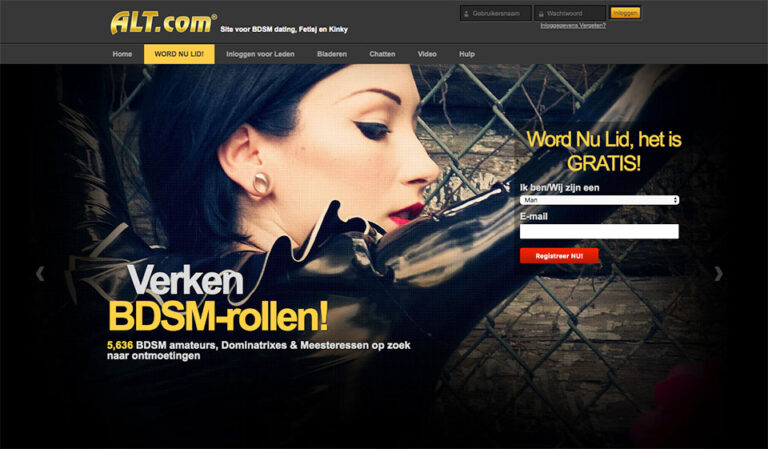
HookupRankings compares 15 hookup and dating services, including ALT, Altscene, BLOOM, Cybermen and several Cupid options. Browse the current platform reviews, examine each service’s verification and privacy terms, and open the chosen provider through its official website before registering.