
Why Some Profile Pictures Earn More Swipes
A profile picture is often the first behavioural cue a stranger receives. Before a message, it offers quick information about warmth, confidence, availability and whether the person seems compatible with the viewer’s intentions. Learn more about Casino Loyal Player Guide.
Psychologists call these rapid judgments thin slices. Visual salience, facial expression and perceived similarity can influence attraction within seconds, so small changes in expression, lighting or framing may alter how often a profile is swiped right.
Australian daters often move between digitally connected cities and familiar social scenes, from Sydney harbour walks to Melbourne laneway venues. In a crowded app market, clear self-presentation can help, provided it does not make the person appear difficult to approach.
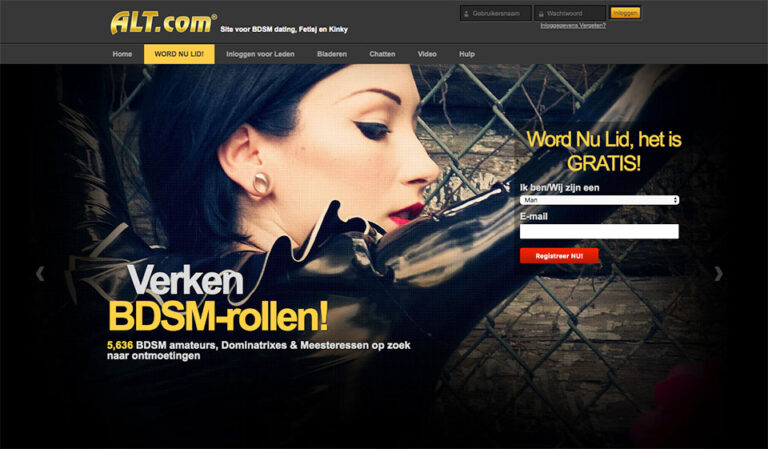
HookupRankings.net compares 15 hookup and dating services, including ALT, Altscene, BLOOM, Cybermen and several Cupid options. Its ratings and links to join or learn more help visitors choose a platform before refining the images and text that shape their profile.
| Photo choice | Fast psychological signal | Possible response |
|---|---|---|
| Relaxed smile | Warmth and openness | More conversation starters |
| Direct gaze | Attention and confidence | More right swipes, when relaxed |
| Solo activity photo | Energy and availability | Interest in the setting |
| Group image | Social proof and belonging | Curiosity, but uncertainty about identity |
| Heavy edit | Initial polish followed by mismatch | Attention that may not convert |
Speed shapes the first impression
The brain gives faces special priority, while a close, clearly lit headshot is easier to process than a distant silhouette. This visual fluency can create an instant sense of familiarity before the rest of the profile is examined.
Swiping also contains a reward loop: a match delivers a small emotional payoff, encouraging another quick decision. A parallel appears in this reward-driven loyalty guide, which shows how designed incentives can steer behaviour toward a preferred option.
Warmth signals often carry the swipe
Smiles that reach the eyes tend to signal warmth, openness and safety, which can matter more than conventional attractiveness in a casual encounter. Direct eye contact adds attention and confidence, although an intense stare can feel confrontational rather than engaging.
Clothing and grooming influence perceived effort and social status. A neat, recognisable look may suggest that someone takes dating seriously, even when the goal is informal, so authenticity generally works better than dressing for an imagined audience.
Authenticity affects perceived approachability
Colour and background work as framing cues. Warm light, uncluttered surroundings and visible facial detail help viewers identify you quickly, while heavy filters, strange colour casts and extreme editing can break trust.
Natural expressions usually outperform staged poses because they support authenticity and ease. A relaxed half-smile, activity shot or travel scene can reveal personality, yet every image should still make the face easy to find.
Match the image to your intended audience
An effective image matches the audience as well as the individual. Alt communities may value niche cues and direct presentation, while mainstream users often respond to familiar lifestyle signals. The best choice depends on the platform, not a universal ranking.
For queer women, the site’s queer women app review offers a platform-specific look at casual dating options. More broadly, representation matters: choose an image that feels safe and genuinely yours rather than one designed solely to attract volume.
Local context can strengthen a profile
Local context can turn a portrait into a conversation starter. A pub catch-up, an AFL crowd or an Australian summer at the beach supplies recognisable cultural detail, while Melbourne laneway venues and Sydney harbour walks offer attractive but plausible settings.
Context should support the face, not compete with it. Busy backgrounds can trigger curiosity but also obscure identity, and a landmark may encourage unwanted comments. Share enough to prompt a reply without revealing your address, workplace or daily route.
Test the cues before choosing
Use the strongest available photo as a hypothesis, then test it with help from people who know you. Avoid changing everything at once, because you will otherwise be unable to tell which cue made the difference.
Signals worth testing:
- A relaxed smile with visible eyes
- Natural light and an uncluttered background
- A solo image matching your usual lifestyle
- Clear facial detail at thumbnail size
- Consistent visual cues across recent photos
After a week, compare message quality, matches and actual conversations rather than right-swipe totals alone. Platform algorithms may reward certain signals, but sustained replies are a better measure of a successful profile image.
Cues to treat cautiously:
- A group photograph with no obvious focal point
- A face that appears tiny within the frame
- Heavy editing or an unnatural colour cast
- A bedroom or bathroom mirror selfie
- Clothing or scenery that conceals your identity
Build a profile that earns the right swipe
Choose the image that combines immediate visibility with an accurate impression. The strongest profile picture is rarely the most edited; it is the one that makes recognition easy, warmth apparent and expectations realistic.
Compare current platforms through HookupRankings, select the service that suits your dating goals, and review your main image before you swipe. Then open your profile and make the first image clear, warm and recognisable.