
Anonymous Hookup Browsing Without Creating an Account
Hookup sites that allow anonymous browsing without signup can be useful for people who want to explore a service before sharing contact details. This option may let visitors view public profiles, browse categories or check basic filters while keeping an email address and phone number private.
Access differs more than many summaries suggest. Some platforms permit limited guest viewing, while others require an account as soon as a visitor searches or opens a conversation. A private browser window can hide local history, but it does not make the service anonymous or remove its data collection.
What anonymous browsing really means
At the most basic level, anonymous browsing means opening publicly visible profile pages without creating an account. The visitor cannot be searched, messaged or blocked, so the experience remains separate from an email inbox or phone contact list.
Some services call temporary access a guest account. This can still involve a verified phone number, a temporary profile or a device fingerprint, even if the final sign-up form is short. Read what information is collected before treating guest access as anonymous.
Interaction usually ends that privacy. Sending a message, tapping like, saving a favourite or uploading a photo generally creates a persistent record linked to an account. Incognito mode in a web browser is separate and only conceals browsing data on the device.
Platforms and signup requirements
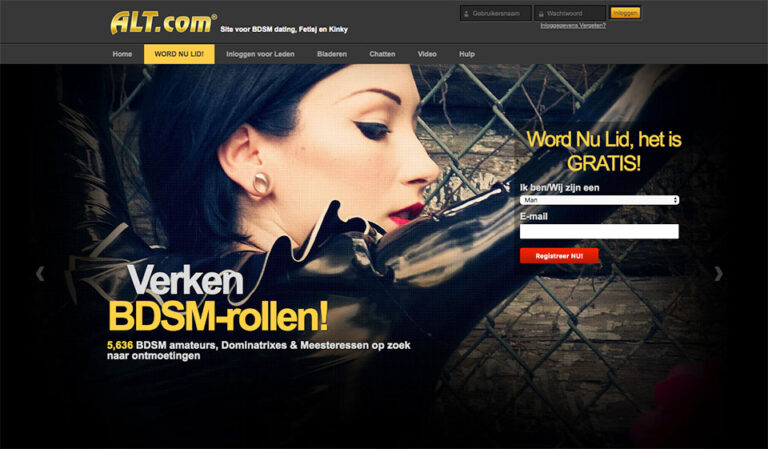
The HookupRankings catalogue compares 15 platforms, including ALT, Altscene, BLOOM, Cybermen and several Cupid-branded services. Visitors can browse the platform comparison to compare ratings, audience focus and joining options.
Access policies can vary by device, country and platform update. Public profile access does not guarantee anonymous use. Some sites reveal only names and photos until registration, while others provide basic search results first. Always check the current sign-up screen because permissions and onboarding processes change regularly.
Guest access should be treated as a trial rather than proof of complete anonymity. Filter basic results first, then review whether messaging, photo uploads or profile verification are required before contacting someone. A no-strings-attached service may still collect technical data even when registration is skipped.
Privacy protections under Australian law
Under the Privacy Act 1988, covered organisations must handle personal information in line with the Australian Privacy Principles. A dating platform based overseas may fall outside direct Australian oversight, so users should check where account data, profile photos and message records are stored.
Australia’s Spam Act 2003 also governs commercial electronic messages. Promotional emails and texts generally require consent, must identify the sender and should include a functional unsubscribe option. These protections remain relevant when a casual dating service promotes paid features through a newly supplied address.
Consent and intimate images involve state and territory laws that differ in detail. Sharing explicit photographs without permission can create serious criminal and civil exposure, including offences under image-abuse legislation. The Australian Government’s eSafety resources provide guidance, but users should avoid relying on a platform’s private-message system as a substitute for clear, freely given consent.
Everyday use in major Australian cities
Many people in Sydney and Melbourne check dating apps on crowded trains and trams, often between work or during a coffee break. The same routine appears around university precincts, shopping districts and busy pubs in Brisbane and Adelaide. Mobile-first browsing fits these habits, although screen locking is important in crowded public places.
Australia’s dating market combines familiar mainstream apps with smaller communities serving particular interests, locations and relationship preferences. For a broader view of mainstream and specialist services, review the service rankings and check guest access, messaging limits, privacy controls and the kinds of casual encounters each audience expects.
Public Wi-Fi at a café or airport can expose session information, so mobile data is the safer choice when entering a password or opening sensitive chats. For a first meeting, choose a busy public venue, tell a friend where you are going and keep your own transport available. These habits reduce risk without requiring an account.
Features and warning signs when choosing
A trustworthy service should explain the difference between public viewing, guest access and full membership. Look for clear limits on messaging and a privacy policy that identifies the operator, contact details and main purposes of data collection.
Useful access features include:
- Public profile pages that open without an account form
- Guest mode without unnecessary phone-number verification
- Basic search and category filters available before login
- Clear controls for cookies, data retention and profile visibility
Prioritise platforms that let users assess the service before uploading photographs or completing a long verification process. A shortlist of two or three options makes it easier to compare practical features without creating multiple permanent profiles.
Warning signs include:
- Claims of complete anonymity followed by mandatory identity documents
- Access that requires payment or a photo upload merely to view profiles
- A vague privacy policy with no operator or data-retention details
- Pressure to move quickly into an unmonitored chat application
Use the comparison to check each service’s current signup terms, then open your preferred platform through its official listing. Give the guest experience a careful test before sharing personal information or starting a conversation.