
Hookup apps that let you share temporary locations
Hookup apps that let you share temporary locations can turn a vague nearby match into a practical coffee or walk. A one-off map pin, live GPS position, or short-lived distance signal gives both people a clearer idea of whether meeting tonight is realistic without revealing a permanent address.
For Australian users, that convenience comes with familiar geographic complications. Sydney and Melbourne matches may live on opposite train lines, Brisbane’s humid summers favour indoor meeting places, and Perth’s spread-out suburbs can make a “close” profile much farther away than the map suggests.
The useful question is not whether an app displays a dot; it is how precise that dot is, how quickly it expires, and what happens when one person changes their mind. Location features should support consent and clearer plans, never replace them.
How live location features differ
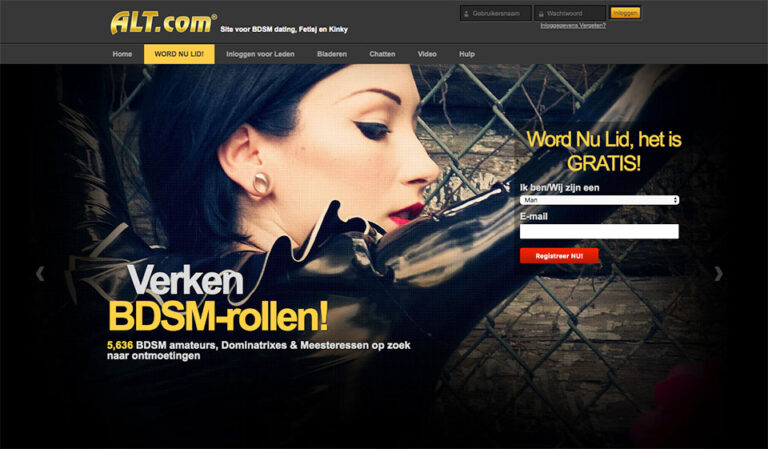
Temporary location is not one uniform feature. Tinder, Bumble and Grindr often provide proximity filters rather than a disappearing public pin. ALT and Altscene focus more on interests and identity, while Snapchat can show a temporary live position but is not a hookup marketplace.
Before choosing a service, the platform comparison directory offers ratings and links for 15 dating and hookup platforms, making it easier to compare their audiences and feature sets before signing up.
Privacy settings to check first
An approximate distance preserves more flexibility than an exact position when someone is delayed, working or simply reconsidering the meeting. Turn off precise, background and persistent location permissions where possible, and avoid sharing a pin labelled with your home or workplace.
Even disappearing pins can be captured by another person. Revoke access after the meeting, clear location history and use nicknames for saved places. Expiring the original location does not delete a screenshot someone has already taken.
Treat location as personal information. Australia’s federal Privacy Act 1988 and Australian Privacy Principles regulate covered organisations, although overseas-only services may operate under different regimes. Publishing an intimate image without consent can also engage state and territory image-abuse offences, while revealing someone’s address may expose them to harassment.
What works for Australian daters
Major swipe apps remain familiar in Australia, but city-level user density can matter more than national audience size. Melbourne and Sydney have dense transport-linked neighbourhoods, whereas Perth’s broad suburbs can turn an apparently nearby match into a lengthy drive.
Activity also changes around Christmas travel, summer breaks and weekends away from home. Compare whether a service shows active users nearby, allows tighter filters and offers a workable free tier before paying for additional visibility.
Turning a location ping into a safe plan
Agree on a named public venue rather than sending a car to your door. Choose somewhere with staff, good lighting and easy access to transport; in Sydney or Melbourne, a café near a station is often easier to navigate than a vague suburb pin. Let a friend know where you are going and keep your own ride home.
Confirm who you will meet by video call and keep the first meeting reasonably short. Do not continue to a secluded location, private address or workplace. If alcohol or an expectation of sex has affected the plan, pause and check in again before leaving the venue.
Expectations that location sharing can create
A location ping communicates proximity, not availability, attraction or consent to sex. It is reasonable to ask for a time, place and duration; equally, the other person can decline or postpone without providing an explanation.
For sexual expectations, a short guide to frequency without pressure can help keep the discussion mutual and free of coercion. Mention boundaries and contraception before meeting, and treat any change of mind as final.
A comparison checklist for location sharing
Compare these privacy controls before sharing a pin:
- Whether the location is approximate, precise, live or limited to a distance radius
- How long a shared pin remains visible and whether either person can stop it
- Whether screenshots trigger an alert and whether location history can be cleared
- Which permissions are requested, including background, contacts and phone access
Then compare practical usage details:
- Active-user density in your suburb, city or travel region at the relevant time
- Availability of distance filters, incognito mode and paid visibility boosts
- Messaging tools for confirming plans, leaving safely and blocking unwanted contact
- Verification features, support response times and a transparent privacy policy
Try a service in a busy but non-sensitive area, revoke access afterwards and delete any temporary pin. If its controls are confusing or expiry times are unclear, treat that as a reason to meet somewhere neutral instead.
Use the directory to shortlist three services, test their privacy settings and choose the platform that suits your city and comfort level. Then confirm the venue, timing and boundaries before meeting, so the location feature adds clarity rather than pressure.