
How to Create a Throwaway Account for Hookup Sites Safely
A throwaway account can separate casual dating activity from your everyday identity. Use a dedicated email inbox, a username that does not reveal your name or workplace, and a unique password rather than recycling the credentials behind your email, banking, or social media.
The purpose should be privacy, not impersonation or evading moderation. Australian dating platforms commonly set 18 as the minimum age, while consent must remain clear, voluntary, and ongoing. Identification, location data, and photographs remain sensitive even when the profile itself appears anonymous.
Build a Separate Online Identity
Use a unique email alias or a new mailbox created through a reputable email provider. Avoid a public temporary-inbox service that could make the account inaccessible when you need to reset a password or answer a verification request. Record the recovery details somewhere separate from the dating profile.
Choose a pseudonym that is not already connected to your personal accounts. Avoid names, initials, employers, schools, clubs, and street-related nicknames. If the service requires a real birth date, enter it truthfully, but do not add unnecessary details about your family, address, or daily routine.
Create this identity on a separate browser profile if possible, and decline social-media sign-in. Connecting a personal Facebook or Instagram account can expose friends, contacts, location tags, and linked photographs. A limited profile is safer than a convincing fake one that requires extensive invented information.
Keep Personal Details to a Minimum
Choose recent photographs that do not reveal where you live or work. Avoid images containing house numbers, vehicle registration plates, workplace uniforms, school badges, identifiable street signs, or views from a bedroom window. Although dating apps often compress uploaded images, removing location metadata before uploading adds another layer of protection.
Write a short bio that creates personality without creating a trail. Australian wording can help conversations feel natural, but details such as the exact pub where you drink, your regular arvo coffee shop, or the gym you use every morning could expose your movements. Share broader interests rather than fixed locations and schedules.
Set location permissions to city-level whenever possible. In Sydney and Melbourne, distance filters can reveal a suburb, home station, or workplace with surprising precision. Avoid descriptions such as “near my place,” especially because Australian cities spread across large distances and public transport can make a familiar route easy to recognise.
Secure the Login and Verification Process
Generate a long, random password with a password manager and enable two-factor authentication wherever the platform supports it. An authenticator app is preferable to SMS, although many hookup services offer text codes only. If you use a separate mobile number, make sure it genuinely belongs to you rather than being a recycled or borrowed SIM.
Telstra, Optus, and Vodafone customers can contact their carrier if they receive suspicious verification requests. Treat any unexpected code or account-recovery message with caution, open the dating app manually rather than following a message link, and report suspected scams through ACMA’s Scamwatch guidance.
A VPN does not make an account anonymous or trustworthy. It may hide your internet address from the platform, but it does not conceal photographs, identity documents, payment records, or behavioural patterns, and attempting to bypass location controls may trigger verification checks. Security comes from data minimisation and account separation, not from pretending your device is elsewhere.
Check the Service Before Registration
Before registering, read the privacy policy and terms rather than accepting them automatically. Check who controls your data, whether identification documents are retained, how long chats and photographs are stored, whether location can be disabled, and whether the service provides reporting and blocking tools. Also review subscription renewal rules.
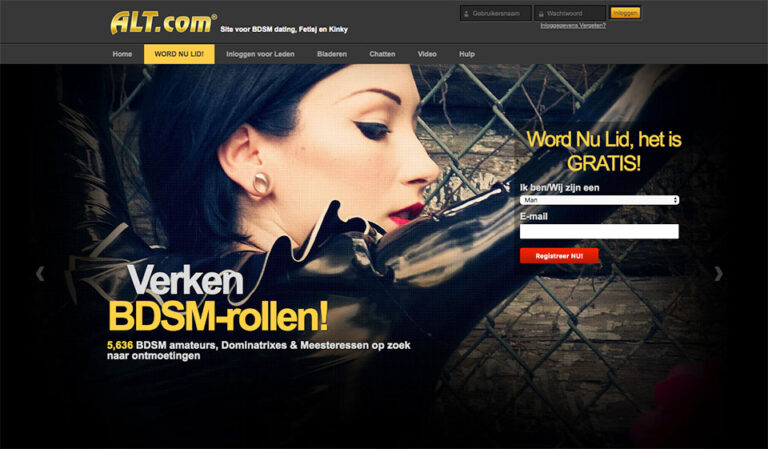
Independent review sites can help compare the available services, including niche communities and mainstream platforms such as ALT, Altscene, BLOOM, Cybermen, and several Cupid-branded apps. Look for consistent information about verification processes, fake profiles, refund policies, and customer support rather than relying on promotional claims alone.
During setup, provide only the fields required to use the service. Revoke unnecessary camera, microphone, contacts, and photo-library permissions after registration. Turn off marketing messages, message requests from unknown users, and location sharing until they are genuinely needed. A useful throwaway profile remains restrained even if the platform permits more disclosure.
Meet Safely and Retire the Account
Keep initial conversations inside the platform so its moderation tools remain available. When meeting someone, choose a busy public venue and tell a trusted friend where you are going. In Australia, a café, licensed pub, or central dining area is generally safer than a private home or isolated park after dark.
If your profile will be active while visiting Melbourne or Sydney, travel hookup advice provides useful context for managing availability, location, and meetups away from home. Do not reveal your hotel, room number, or live address, and avoid using your regular neighbourhood profile while travelling.
Retire the account deliberately when it is no longer needed. Delete the profile through the service’s official process, remove the app, revoke permissions, delete the dedicated email account, and clear associated browser data. Cancel subscriptions and payment arrangements, remove saved photographs from your device, and check for confirmation that personal information has been deleted or de-identified.
Before registering, browse the available hookup platform comparisons and choose a service with clear privacy practices and reliable safety controls. A separate identity, minimal disclosure, cautious meetings, and proper account deletion provide practical protection without requiring you to pretend to be someone else.