
Hooking up with a coworker: pros, cons, and app options
A hookup with a coworker can begin with a shared shift, work event or after-work drink. When both people are genuinely attracted, the advantages are practical: existing familiarity, easier scheduling and less time spent meeting strangers. The drawbacks can be equally significant, particularly when one person supervises the other or the workplace maintains strict social boundaries.
Australian office life makes these situations common in Sydney, Melbourne, Brisbane and Perth. Commuter catch-ups, Friday pub trivia in Melbourne’s CBD and post-meetup drinks near Sydney’s inner suburbs can blur the line between colleagues and partners. Tinder, Bumble and Hinge dominate the mainstream market, while specialist services attract people seeking particular relationship styles, kinks or casual arrangements.
Consent between adults is necessary, but it does not settle every workplace issue. A sensible decision considers attraction, power differences, employment rules, privacy and whether either person can handle rejection or a changed relationship without embarrassment. Those factors matter more than the assumption that office romance is automatically convenient or inappropriate.
Familiarity and convenience can be genuine advantages
A colleague already knows your sense of humour, work rhythm and social limits. That familiarity can create a natural connection that an app profile would take longer to reveal. Shared experiences may also make a casual encounter feel safer because there is some existing context and trust.
Meeting someone outside work can reduce the time and expense involved in online dating. You might already know where to meet, how to get there and what to talk about. For busy Australian professionals, especially those managing long commutes and demanding schedules, that efficiency can be attractive.
Jealousy, gossip and career tension can complicate things
The greatest danger often lies in what colleagues assume. A private relationship may quickly become workplace knowledge, leading to gossip, teasing or perceptions of unfair favouritism. Jealousy can also emerge if one partner works closely with the other’s team or remains connected to former partners.
Secrecy may protect privacy, yet it can isolate both people. One partner might hear workplace news through a shared team while the other expects complete confidentiality. Clear expectations matter because office politics can reward people who understand the rules; direct communication is better than assuming everyone will react predictably.
Rejection is another practical concern. A workplace can be uncomfortable when attraction is one-sided, particularly if the rejected person must continue attending team meetings or receiving performance feedback. A casual connection works better when both people can remain composed and professional if it does not continue.
Check employment rules and Australian law
Start by checking the employment contract, workplace code of conduct, social media policy and any rules covering staff relationships. Some organisations require disclosure, restrict relationships between managers and direct reports, or prohibit conduct outside work that could affect the workplace. Rules vary significantly between employers, so general dating advice cannot replace the relevant policy.
The Fair Work Act 2009 does not make a consensual relationship between adult employees illegal. However, state and territory laws, employment agreements and workplace obligations may still affect the situation. In NSW, workplace sexual harassment can engage the Summary Offences Act 1988, while other jurisdictions apply their own harassment, discrimination and workplace safety rules. Managers should never pressure an employee into a relationship or allow workplace authority to influence personal decisions.
Consent, privacy and digital boundaries need attention
Consent should be clear, freely given, informed and ongoing. Silence, compliance or previous participation is not consent, and alcohol should never be used to excuse pressure. The power imbalance matters even when both people are adults: a report to a manager carries different consequences from an invitation to a colleague with equal authority.
Digital privacy requires equal care. The Privacy Act 1988 contains an employee-records exemption for relevant records held by an employer, but that exemption does not automatically control messages on a personal phone. State and territory privacy rules, workplace policies and Australian defamation law can still affect how intimate information or allegations are handled. Avoid sharing explicit images or details that could be forwarded or displayed at work.
Using a dating app to explore possibilities can provide distance from office politics. Keep your employer, role and routine discreet, use privacy controls where available and avoid sending workplace identification until trust has developed. Timing can also affect replies, so message timing is worth considering when choosing when to send an opening message.
Choose an app that fits your intentions
Mainstream platforms such as Hinge, Bumble and Tinder suit people who want broad access to nearby daters, although success depends on profile quality and location. A relationship-focused user might choose a service with stronger matching tools, while someone interested in a casual encounter may prioritise filters, availability and a straightforward sign-up process.
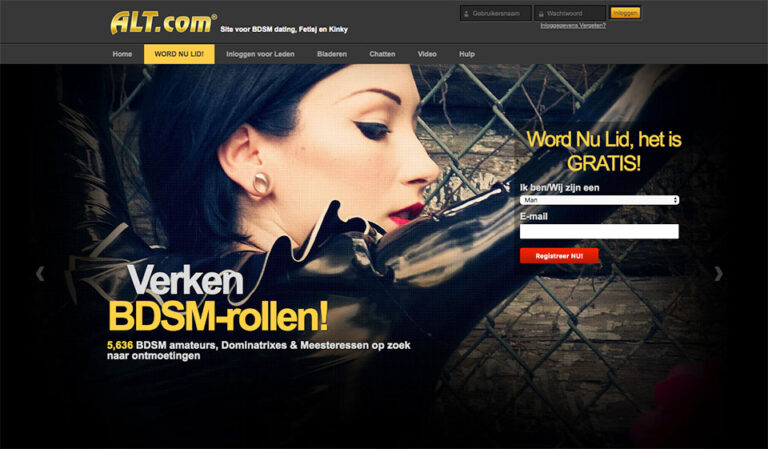
Niche services serve more specific preferences. HookupRankings compares 15 platforms, including ALT, Altscene, BLOOM, Cybermen and several Cupid-branded services, allowing visitors to examine features rather than installing every app. Check whether a platform’s audience, verification methods, pricing and privacy practices suit the connection you actually want.
Search results can mix dating profiles with unrelated content such as casino card games, making it important to verify the destination before uploading images or sharing personal details. Use a dedicated dating service, review its safety features and never treat a profile as genuine without independent verification.
Make a clear decision and meet responsibly
If the interest is mutual and workplace rules permit it, move the discussion away from work hours and systems. Agree on what information remains private, choose a public meeting place and keep the encounter separate from performance reviews or team decisions. Either person should be able to change their mind at any stage without retaliation or awkwardness.
If uncertainty or workplace complications remain, a dating app offers an alternative without involving colleagues. Compare the current platforms on HookupRankings, read how services are reviewed and select a service that aligns with your intentions and safety needs. Set clear boundaries before the first message and meet safely away from work.