
How to spot fake profiles on hookup sites
Hookup sites make it easy to meet someone quickly, but polished photos and confident chat can hide a stolen identity. Catfishers, bots and people fishing for the wrong reasons all create different risks. Learning to recognise inconsistencies before you invest time protects your privacy, money and peace of mind.
Fake profiles are not always obvious. A genuine Australian user may have a sparse social media presence, while a deceptive account can copy a convincing feed. Treat clues as patterns rather than proof: pause, verify proportionately and keep control of where personal information travels.
Scammers also adapt to the local market, using familiar slang, Australian-dollar requests and urgency that fits busy city or regional lifestyles. A sensible screening routine combines photo checks, conversation tests, platform reporting and safe first-meeting habits without penalising people for being private.
Profile signals worth checking
Start with the profile itself. Look for contradictory locations, repeated sentences, a single flattering image, unusually limited interests or a bio that gives no conversational openings. These are not automatic signs of deception, but several weak signals together deserve a slower response.
| Warning sign | Possible explanation | Sensible response |
|---|---|---|
| One professionally styled photo | Stolen or purchased imagery | Use a reverse image search |
| Vague biography and location | Incomplete or automated profile | Ask a specific, current question |
| Instant intimacy or flattery | Scripted seduction tactic | Slow the conversation down |
| Avoids live interaction | Unverified identity | Suggest a brief live video call |
| Requests money, gift cards or crypto | Financial fraud or sextortion | Disengage and report the account |
| Long silence followed by urgency | Emotional manipulation | Block without further contact |
Run a reverse image search when a photo seems commercially produced or familiar. If the same face appears under unrelated names, treat it as a serious identity warning. Check profile age, claimed occupation and recent activity, but remember that a new account can belong to a legitimate person.
Verify identity without invading privacy
Cross-check details across the platform rather than demanding private records. A photo, short video and conversational consistency offer stronger reassurance than a copied biography alone. Search a distinctive username or professional detail, but avoid contacting relatives, employers or old acquaintances, as this can expose someone unnecessarily.
Before paying, sharing intimate images or accepting an unusual arrangement, read a service’s terms and conditions and use its official verification and reporting tools. Never send identification documents through chat or email. If the account resists reasonable checks without explaining why, moving on is safer than trying to prove your suspicions.
Recognise scams, bots and coercion
Messages that move unusually fast toward private channels, explicit photographs or financial help deserve caution. A common pattern is an attractive account that builds trust, encourages intimacy and then asks for gift cards, cryptocurrency or a payment to unlock a video call. Another involves a supposed overseas traveller stranded in Perth, Adelaide or regional Australia and needing money urgently.
Consent is equally important. A genuine match should welcome boundaries, allow time to consider and never punish you for declining explicit content. If earlier experiences have made candid discussion about pleasure difficult, the language of desire can help frame those conversations without shame. Anyone who pressures, threatens or tries to control your interactions is displaying unsafe behaviour, regardless of how authentic their photographs appear.
Read the signals in an Australian context
Australia’s dating market is highly local. Sydney and Melbourne have crowded app markets where a polished profile may simply belong to a selective user, while smaller cities and regional districts can make genuine profiles look less active. Asking about current local events, suburbs, travel conditions or weekend plans can reveal contradictions without requesting sensitive information. A message using “arvo” or “no worries” proves nothing, since scammers copy familiar Australian language, but a claimed location should match local time zones and circumstances.
Local habits also affect genuine availability. Many people prefer a casual drink at a busy pub to an elaborate first date, especially around Melbourne, Sydney, Brisbane and Perth. Cricket and AFL fixtures can dominate weekends in several capitals, while shift work around Canberra or long distances near Adelaide may make daytime messaging less common. For a first meeting, choose a well-lit public venue, arrange your own transport and keep your address and workplace details private.
Make safer choices and take confident next steps
Treat every unfamiliar account as unverified until reasonable checks are complete. Keep communication on the platform, avoid clicking unexpected links and never transfer money to someone you have not met. If something feels wrong, use the service’s block and report functions; Scamwatch and the eSafety Commissioner also provide Australian guidance on online scams, image-based abuse and sextortion.
- Compare profile photos, biography details and claimed location for inconsistencies.
- Use reverse image search and a brief live video call for extra reassurance.
- Keep personal contact details, financial information and intimate images private.
- Insist on public first meetings and tell a trusted person where you are going.
- Leave immediately when a match pressures you, requests money or controls the conversation.
- Report suspicious accounts and save relevant messages if they may be needed for a complaint.
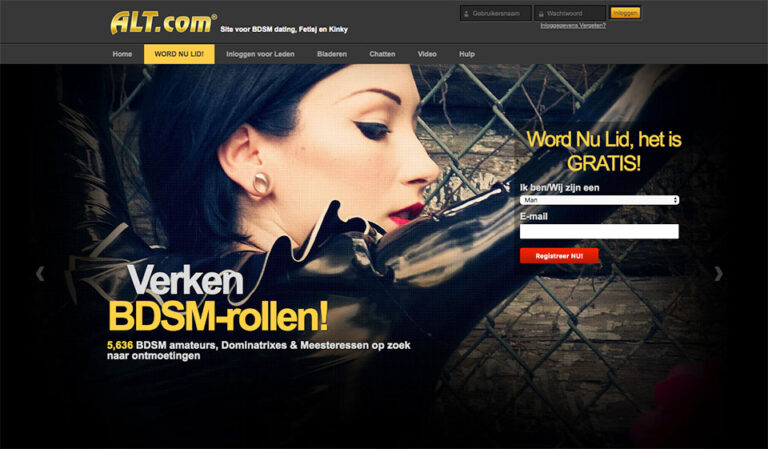
Choose a platform from HookupRankings’ comparison of ALT, Altscene, BLOOM, Cybermen and the Cupid services, follow its join or learn-more link, and apply the same checks before arranging a meeting. This creates a more deliberate route to a casual connection while keeping consent, privacy and safety firmly in your hands.