
The decline of Craigslist Personals and what replaced it
For two decades, Craigslist Personals served as a bulletin board for casual encounters, missed connections, and low-pressure introductions. The section was simple, anonymous, and remarkably direct, attracting millions across the English-speaking world. In Australia, Sydneysiders and Melburnians browsed it for everything from a quick coffee date to a fleeting summer fling.
When the personals section went dark in March 2018, regular users felt the loss immediately. The platform had cultivated a raw, unfiltered culture newer services have struggled to replicate. Even people who never posted often checked listings, treating the page as a cultural barometer for how adults met outside conventional dating channels.
The shutdown coincided with FOSTA-SESTA in the United States, legislation holding sites liable for content facilitating sex trafficking. While the laws targeted American platforms, ripple effects reached international markets, including Australia, where regulators were already scrutinising online safety after high-profile harassment cases.
Within months, the casual encounter ecosystem fragmented across dozens of apps, niche communities, and adult-friendly directories. Many new destinations operate under stricter verification, while others have doubled down on the anonymous charm that made Craigslist Personals iconic.
Why Craigslist Personals disappeared
Craigslist began trimming personals categories in 2017, partly due to mounting legal pressure and partly to clean up brand associations with exploitation and fraud. The final removal came shortly after FOSTA-SESTA, which immunised platforms from liability when they removed content tied to trafficking.
Critics argued the law cast too wide a net, punishing consensual adult interactions alongside the harms it aimed to stop. Supporters countered that the legal shield pushed platforms toward proactive moderation. Either way, the result was the same: a giant, free, and largely unmoderated meeting ground vanished overnight.
For users in Brisbane and Perth, the disappearance removed a tool requiring no app download, no profile photo, and no subscription fee. Its replacement landscape looks very different, built on smartphones, identity verification, and paid features.
The immediate aftermath in Australia
Australian users scrambled for alternatives in the weeks after the shutdown. Forums on Whirlpool and Reddit filled with nostalgic posts about missed connections that would never be made. Some migrated to older dating platforms, while others turned to social media groups and Telegram channels.
The local market saw a surge in traffic to international hookup platforms, many aggressively marketing to Aussie audiences through local affiliates. A few developers launched .com.au-branded apps promising a Craigslist-style experience with modern safeguards, though most struggled to gain traction.
Privacy concerns loomed large after the Australian Cyber Security Centre issued advisories about data handling on casual encounter platforms. Users accustomed to Craigslist's throwaway email culture suddenly had to think carefully about what personal information they handed over.
Mainstream apps that filled the vacuum
Tinder and Bumble had already absorbed a large share of casual daters before the Craigslist closure, but the vacuum pushed even more users their way. Both expanded features to include preference filters that mimicked the directness of a personals ad.
Hinge positioned itself as designed to be deleted, appealing to Australians tired of endless swiping in Melbourne's inner suburbs and along Bondi's beachfront walks. Its prompts-based structure gave users a way to be intentional without losing the casual tone.
For people wanting something closer to the old anonymous model, platforms like Pure and Feeld offered disappearing photos and location-based matching. These services leaned into the ephemeral spirit of Craigslist while adding the safety nets modern users expect.
Niche communities and adult-friendly alternatives
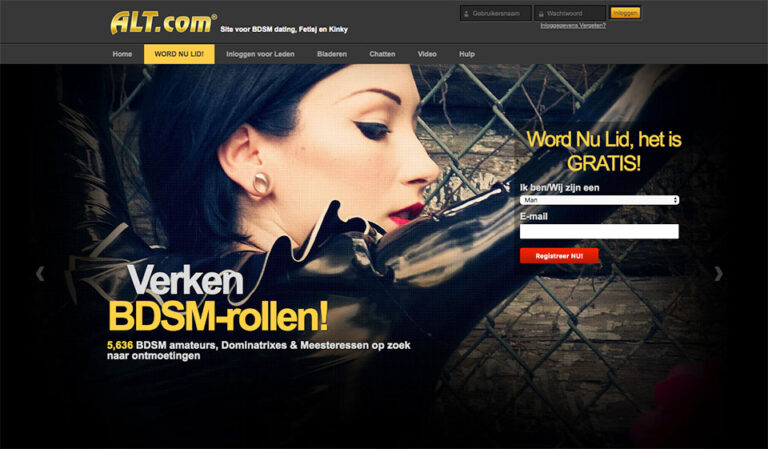
The death of Craigslist Personals created space for smaller, more specialised platforms catering to particular identities, fetishes, and relationship styles. Sites reviewed on HookupRankings cover everything from kink-oriented networks to queer-friendly casual encounter boards.
Australian users with specific interests found niche platforms often delivered better matches than generalist apps. Communities centred on swinging, polyamory, or alternative lifestyles migrated to dedicated spaces where they could be open about their preferences from the outset.
These platforms tend to operate on subscription models, creating a barrier against spam and fake profiles. While a departure from the freewheeling Craigslist era, many users consider the trade-off worthwhile for increased authenticity.
Safety, verification, and modern standards
Today's hookup apps have largely abandoned the anything-goes ethos of the early internet. Photo verification, ID checks, and moderation teams are now standard on most reputable platforms. Some services even partner with background check providers to flag concerning histories.
The shift reflects broader regulatory pressure in Australia, where the eSafety Commissioner has taken an active role in policing online harms. Platforms that fail to address harassment, scams, or non-consensual content face escalating penalties and reputational damage.
Users navigating this landscape can protect themselves by sticking to services with clear moderation policies, block and report tools, and easy profile deletion. A solid overview of etiquette is worth reading before diving in, including this thoughtful take on respectful disengagement.
Choosing a platform that suits you
Finding the right Craigslist replacement comes down to matching expectations with a platform's design. Casual browsers who want to scroll listings may prefer hookup directories, while those seeking active conversations often gravitate toward swipe-based apps.
Consider whether anonymity, verification, or community matters most. The best services make their rules and moderation practices easy to find before sign-up, helping avoid unpleasant surprises down the track.
If you are weighing your options, detailed breakdowns of features, pricing, and user feedback make the decision easier. Start with the rankings today and find a platform worth trying tonight.