
Is Tinder Becoming a Hookup Wasteland?
Tinder still has enormous name recognition in Australia, but its reputation has shifted. Once associated with quick chemistry and low-pressure dates, the app now attracts users seeking everything from serious relationships to validation, friendship and occasional casual sex. That broad audience can make a straightforward hookup harder to find.
The issue is less about Tinder disappearing and more about its crowded, unfocused ecosystem. Profiles may be inactive, conversations often fade after a few messages, and distance can complicate matches between Sydney, Melbourne, Brisbane and nearby suburbs. For people wanting a clear casual arrangement, endless swiping can feel inefficient.
A hookup wasteland is therefore a useful description of the user experience rather than a claim that nobody meets there. Tinder remains active, yet activity does not always equal compatibility. The better question is whether its audience, features and culture still match what casual daters want.
Why Tinder Feels Less Focused
Tinder’s broad reach is its greatest strength and its biggest weakness. A single feed may contain people looking for marriage, new friends, a holiday fling or an open relationship. When intentions are unclear, users have to spend more time decoding profiles before a promising match emerges.
Australian dating habits add another layer. Many people prefer a relaxed first drink at a pub, beach walk or rooftop venue rather than declaring exactly what they want in a profile. That easygoing style can be appealing, but vague wording such as “seeing what happens” often produces mismatched expectations.
The app also faces fatigue. Frequent users may see similar faces, recycled prompts and profiles that have been active for months. In a market filled with specialised services, a general-purpose swipe feed can feel less personal and less efficient for casual connections.
Casual Dating Versus General Dating
A platform built for everyone cannot provide the same clarity as a service designed around a specific interest or relationship style. Someone seeking discreet adult dating, alternative communities or a particular age group may get better results from a narrower audience. Specialist services are often easier to evaluate because their purpose is clearer from the beginning.
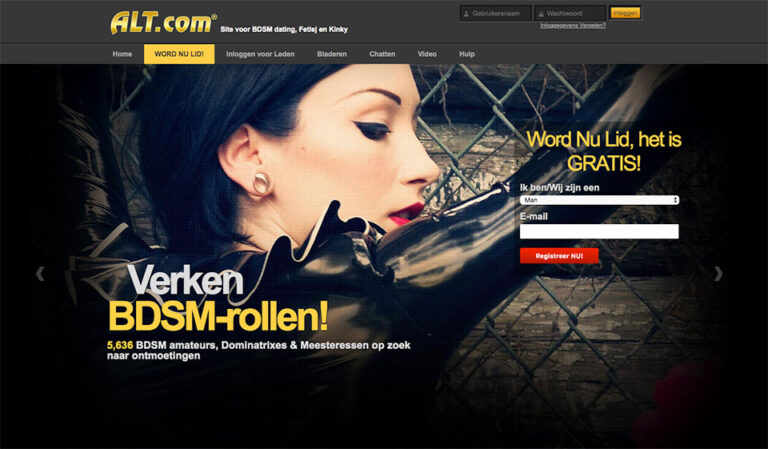
This does not mean every niche app is automatically better. Smaller platforms may have fewer members outside major centres, while Tinder remains useful in places such as the Gold Coast, Perth and inner Melbourne. Visitors comparing different communities can browse niche dating options to see how audience focus, privacy tools and matching styles vary.
The key distinction is intent. A casual dater may accept fewer total profiles in exchange for more direct conversations, stronger filters and less guesswork. A broad app wins on volume; a focused service may win on relevance.
What The User Experience Looks Like
| Factor | Tinder | Specialist Hookup Platforms |
|---|---|---|
| Audience size | Very large in Australian cities | Smaller but more targeted |
| Stated intentions | Often mixed or unclear | Usually easier to identify |
| Matching style | Swipe-based and profile-led | May include search, chat or community tools |
| Best use | Broad discovery and local visibility | Specific preferences and casual intent |
| Main drawback | Ghosting, repetition and ambiguity | Fewer users in regional areas |
Tinder can still work when a profile communicates boundaries and expectations without sounding aggressive. Clear phrases about casual dating, privacy and meeting safely reduce wasted conversations. Recent photos, a complete bio and a respectful opening message also make a substantial difference.
Timing matters as well. The app may feel more active around university areas, major nightlife districts and holiday periods, including summer weekends in coastal destinations. Yet high activity can bring more tourists and short-term users, so a busy feed does not guarantee dependable local matches.
Signs It May Be Time To Switch
A poor experience becomes meaningful when it repeats across weeks rather than a handful of swipes. If matches rarely reply, conversations remain superficial or nearly every profile seeks a different type of relationship, the platform may no longer suit the user’s priorities.
Privacy concerns can also influence the decision. Some Australians prefer keeping casual dating separate from professional circles, family networks and public social media. In smaller cities or regional communities, recognisable photos and mutual connections may make discretion especially important.
Comparing platforms should include more than member counts. Look at verification, reporting systems, profile visibility, messaging rules and whether the site explains how it handles personal information. Even a service with fewer local users can be worthwhile if it offers a safer and more transparent experience.
Practical Ways To Improve Results
A thoughtful approach can make Tinder more productive, even if it does not solve every problem. Be direct without treating people as transactions, and move from vague chat to a realistic plan when mutual interest is clear. A short coffee or drink in a public venue is usually a better first meeting than an elaborate arrangement.
Keep expectations grounded in local logistics. Sydney travel can turn a nearby match into a long commute, while Melbourne weather may quickly change outdoor plans. In Brisbane, Perth or Adelaide, choosing a central public venue can make an initial meeting easier for both people.
Useful habits include:
- State whether you want casual dating, ongoing intimacy or simply new connections.
- Use recent photos and avoid revealing your home, workplace or daily routine.
- Confirm age, identity and expectations before agreeing to meet.
- Choose a busy public location and tell a trusted person where you will be.
- Keep contraception, STI testing and consent part of the conversation.
- Leave quickly if someone pressures, insults or ignores your boundaries.
Tinder is also one option among many forms of online socialising. Some people compare casual dating with other digital leisure activities, such as online card games, because both can offer quick engagement without the promise of a long-term commitment. The comparison is limited, but it highlights why users should choose platforms according to their actual goals rather than popularity alone.
Tinder is not empty, but it can feel overcrowded with mixed intentions. For Australians seeking a casual relationship, the smartest strategy is to test the app with clear boundaries, then compare it with more focused services if the matches remain repetitive or vague. Explore reputable hookup platforms, review their privacy and safety features, and choose the community that makes direct, respectful connection easier.