
Safer First Meetings from Dating Apps in Australia
Meeting someone from a dating app can be exciting, whether you are looking for a casual relationship, a hookup, or a longer-term connection. A little planning helps keep the experience enjoyable without making it feel overly formal or suspicious.
Australian dating culture varies between busy city life in Sydney and Melbourne, beachside communities in Brisbane and Perth, and smaller regional towns where social circles overlap. The right safety plan should fit your location, transport options, privacy needs, and comfort level.
Use app features, common sense, and a clear exit plan together. A trustworthy person will respect reasonable boundaries, while pressure, secrecy, or financial requests deserve immediate caution.
| Situation | Safer approach | Warning sign |
|---|---|---|
| First conversation | Stay on the app until trust develops | Immediate pressure to move to private messaging |
| First meeting | Choose a busy public venue | A request to meet at home or in an isolated place |
| Getting there | Arrange your own transport | Dependence on the other person for a lift |
| Personal details | Share only what is necessary | Requests for money, identity documents, or intimate images |
| Physical intimacy | Discuss consent and protection | Anger after a boundary is stated |
Choose a Platform That Fits Your Boundaries
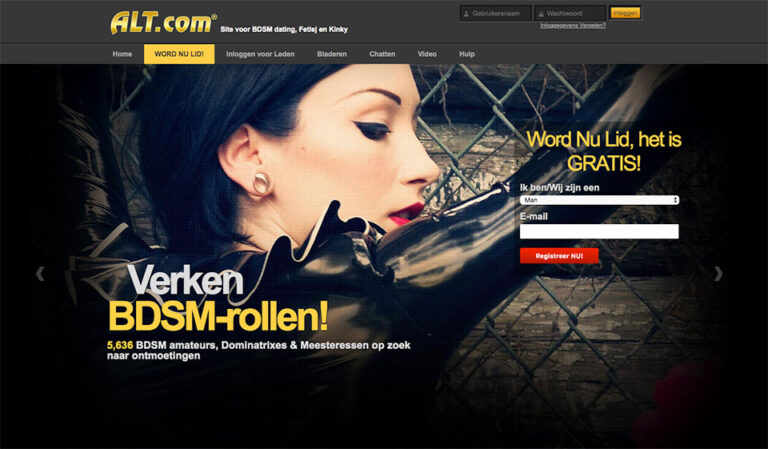
Different dating services attract different communities, so read reviews before creating a profile. HookupRankings.net compares platforms such as ALT, Altscene, BLOOM, Cybermen, and several Cupid services, which can help you understand audience, features, and reported strengths before joining.
If you prefer alternative dating communities, read this Altscene review and check whether the platform’s privacy controls suit you. Look for profile verification, blocking tools, reporting options, and clear rules against harassment.
Keep your profile general at first. Avoid listing your exact workplace, home suburb, daily routine, or the name of a venue you visit every Friday. A first name, broad area, and a few genuine interests are usually enough to start a conversation.
Keep Early Chats Private
Use the app’s messaging system until the person has shown consistent, respectful behaviour. Be careful with requests to switch immediately to encrypted messaging, email, or social media, especially when the new account has little history.
Never send passport images, licence details, banking information, passwords, or private photos that could identify your home or workplace. Reverse-image searches and copied biographies can reveal fake profiles, while rapidly intense attention may be a sign of romance or sextortion tactics.
Plan a Public First Meeting
Choose a café, pub, restaurant, or other well-used venue during a time when staff and other customers are present. In Sydney, Melbourne, and Brisbane, a central venue near a train station or tram stop can make arrival and departure easier. In regional areas, select a location with reliable phone coverage and familiar staff.
Arrange a check-in with a friend and provide the person’s profile name, meeting place, expected finish time, and transport plan. Agree on a simple message or code word that means you need a call or immediate help.
Share Only the Details That Matter
A trusted friend should know enough to act quickly without receiving every private detail of the conversation. Share the essentials before you leave:
- The person’s app name and profile screenshot
- The venue, suburb, and planned meeting time
- Your intended arrival and departure method
- A check-in deadline and emergency contact plan
- Any accessibility, health, or safety concern that matters
Keep control of your own transport. Use a registered taxi, rideshare, public transport, or your own vehicle rather than accepting a lift to an unknown address. If you use Sydney’s Opal network, Melbourne’s myki system, or another local transit option, keep your phone charged and carry a backup payment method.
Recognise Pressure and Scams
Be wary when a match asks for money, gift cards, cryptocurrency, expensive travel, or help with an emergency before meeting. A person who refuses a video call, changes their story, or insists on a secret location may be hiding their identity or intentions.
When a message includes an unfamiliar business, venue, or event, verify it through independent information such as inspection details rather than trusting a forwarded screenshot. The same principle applies to links, QR codes, and booking pages sent by a new match.
Australia’s Scamwatch service accepts reports about scams, and dating platforms usually provide blocking and reporting tools. Save relevant messages before blocking, especially if there are threats, extortion attempts, or repeated contact.
Set Clear Consent and Intimacy Rules
Consent must be voluntary, informed, and ongoing. Agreeing to meet, flirt, kiss, or have sex does not create permission for anything else. Alcohol or drugs can affect decision-making, so avoid relying on intoxication to establish consent.
Discuss condoms, contraception, STI testing, and boundaries before intimacy rather than during a pressured moment. Australian sexual health clinics offer confidential advice and testing, while state and territory laws can address sexual assault, image-based abuse, stalking, and threats.
Leave When Something Feels Wrong
You do not owe a match extra time, physical contact, an explanation, or a second chance. If the person becomes controlling, follows you, takes your phone, ignores a boundary, or moves you away from the public venue, leave and contact venue staff or emergency services.
Take these warning signs seriously:
- Anger when you say no or change your plans
- Pressure to keep the meeting secret
- Attempts to isolate you from staff or friends
- Unwanted touching, monitoring, or repeated messages
- Requests for money or sensitive documents
- Threats involving intimate images or personal information
In an immediate emergency in Australia, call Triple Zero (000). For ongoing stalking, harassment, or image-based abuse, keep records and contact police, a support service, or the platform’s safety team. The Privacy Act 1988 and state-based laws may apply differently depending on the conduct, so professional advice can be useful.
Make these precautions part of your normal dating routine rather than treating them as a judgment about every match. Review your privacy settings, tell a trusted person where you are going, and choose platforms whose communities and controls match your expectations. Browse the available reviews on HookupRankings.net, compare services carefully, and use the links to join only after checking that the option feels appropriate for you.